
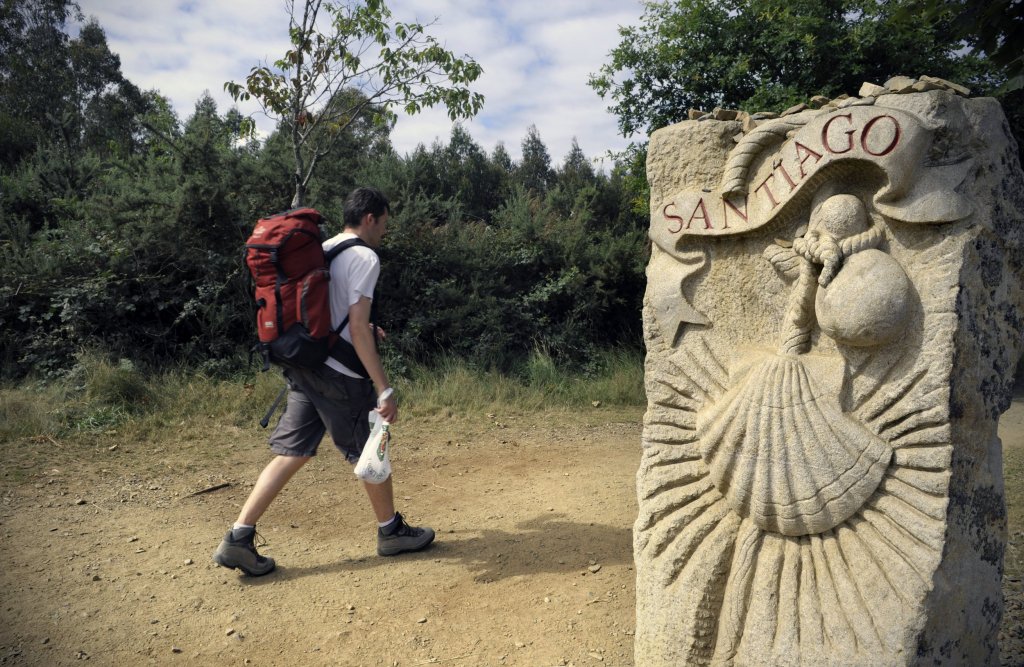
Pilgrimage is the original walking holiday and modern pilgrimage can mean something different to everyone you encounter on the trail. A means to reconnect with nature, a religious rite of passage, an uncomplicated way to spend time with friends – or even by yourself, if you happen to prefer travelling solo.
Many Pilgrimage routes pass through historic communities and even for those of us who may not consider ourselves religious this can allow for reflection, perhaps as to how they operated and who may have lived there hundreds of years ago, or on a deeper level by allowing us to connect with the spirit or a soul of a place.
Some of these Pilgrimage routes were originally not just arduous but had significant danger for those who braved travel, with boat journeys often prone to wrecks and quite uncomfortable for those not used to them. There are also plenty of stories from Pilgrim diaries of exploitative locals in various places in the world who often seemed to relish finding ingenious ways to take Pilgrims’ money rather too readily, so Pilgrims often risked a considerably lighter coinpurse on the way home once they had negotiated the substantial risks of plague and illness. We’re fortunate to live in a time where much of this is not a concern for us, and it’s a blessing to be able to focus on the positives of travelling these amazing routes and connecting the past with the present.
Britain has a very high concentration of holy places – with more churches than pubs; large amounts of holy wells as well as ancient woodland and monuments. Churches deal with the human side of holiness focused around establishing our communities (often churches are the oldest building in a settlement), whereas wells and trees represent a spiritual connection with nature. For holy wells these were often established on sites of Pagan worship, typically near water courses, and they became an established stopping point as a clean source of water for thirsty travellers as well as famed for their healing qualities in many cases – often remaining tourist destinations even to the Victorian-era, with holidaymakers still believing in the quintissentially Victorian ‘constitutional’ – a brisk walk, especially if it could be to a holy well where they would drink it’s water and proclaim themselves revitalised.
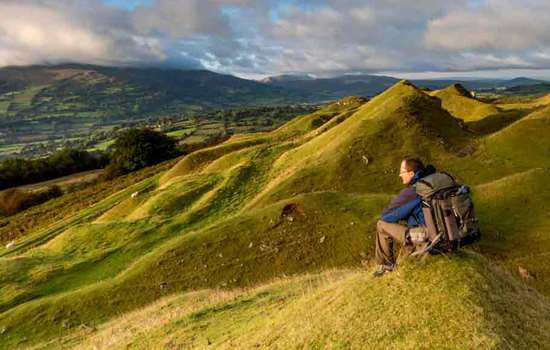
This section is likely to develop in to a mix of Pilgrimage Routes:- both those already well known as well as some of my own creations, where I’m intending to tie interesting mountain routes together but with a ‘Pilgrimage theme’. Hopefully I’ll have some fun creating them and if you choose to enjoy them please let me know, I can think of nothing better than finding out it may have let you pause life a moment and think about the ground under your feet and the amazing landscapes you’re travelling through as you connect with your spirituality.
There is something facinating about the specificities of belief, the role of the church in communally witnessing important moments – joining the church in baptism or christening, coming together in marriage, or for witnessing a life passing in a funeral. We all understand the importance of those moments, the importance to pay attention to them. But this fascination, this undivided attention, does not need to begin and end in a church building, and by keeping that open mind you can travel through the outdoors with much the same attitude of fascination, of feeling you are present in an important moment to you and wish to pay full attention to it. Whether that means closing your eyes, listening to your breath and just experience the place or something else – you may be surprised to notice just how calming and good at clearing your mind this ritual can be.
Pilgrimage for me is all about physicalising this spirituality, accessing that side of your subconcious which you may struggle with day-to-day with the distractions of modern life.
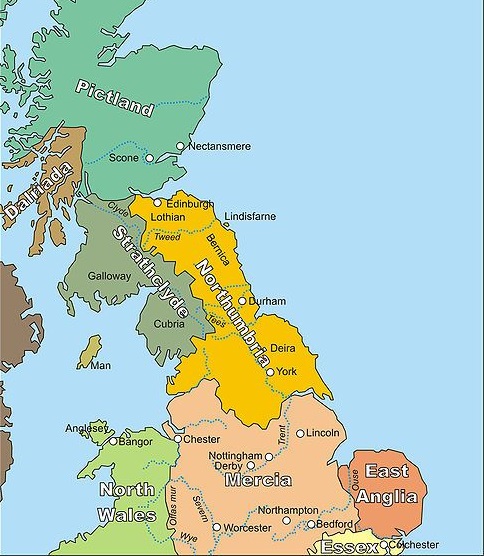
Some of the routes likely to appear are:
- The Cumbrian Cistercian Way
- St Bega’s Way
- St Kentigern’s Way
- The Northern Saints Trails
 L|ve the Outdoors